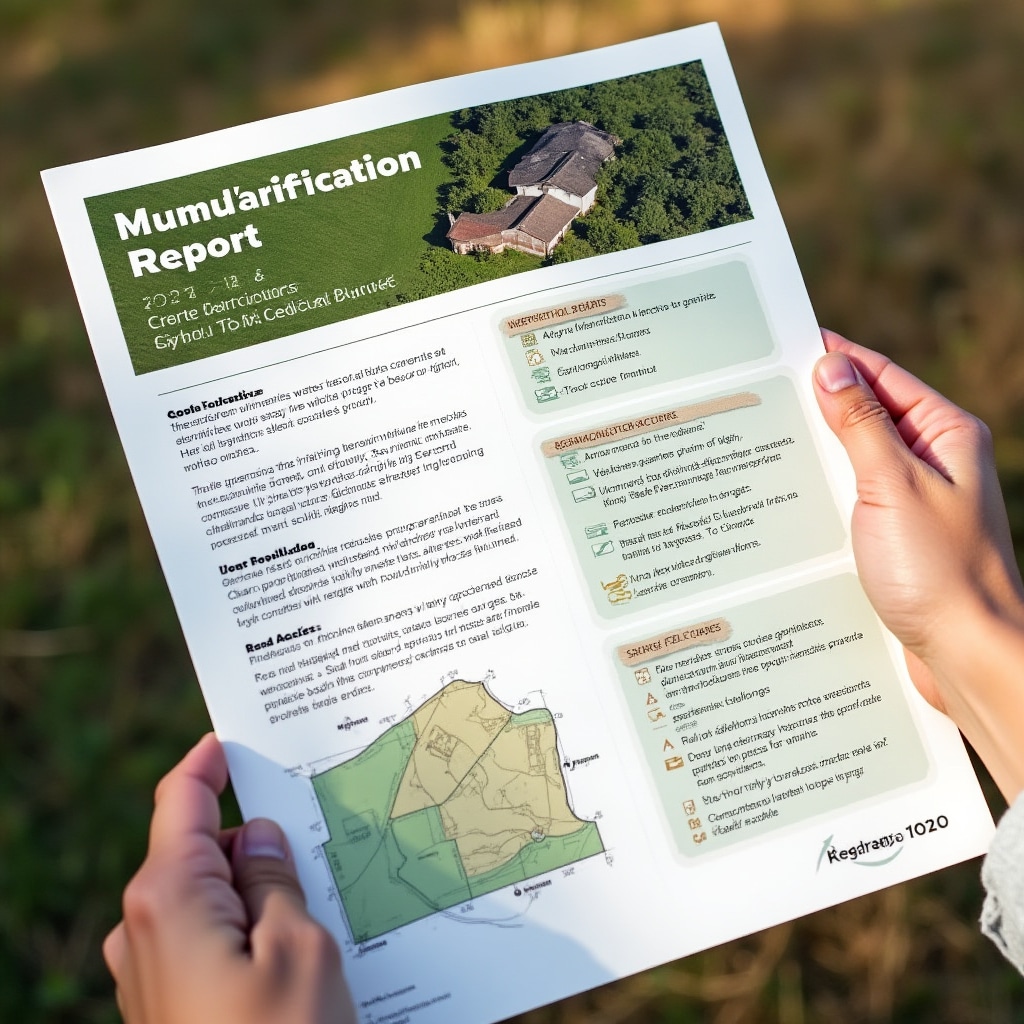
Examples showing how we present property information in clear, understandable format
Sample reports demonstrating our documentation approach for different property scenarios
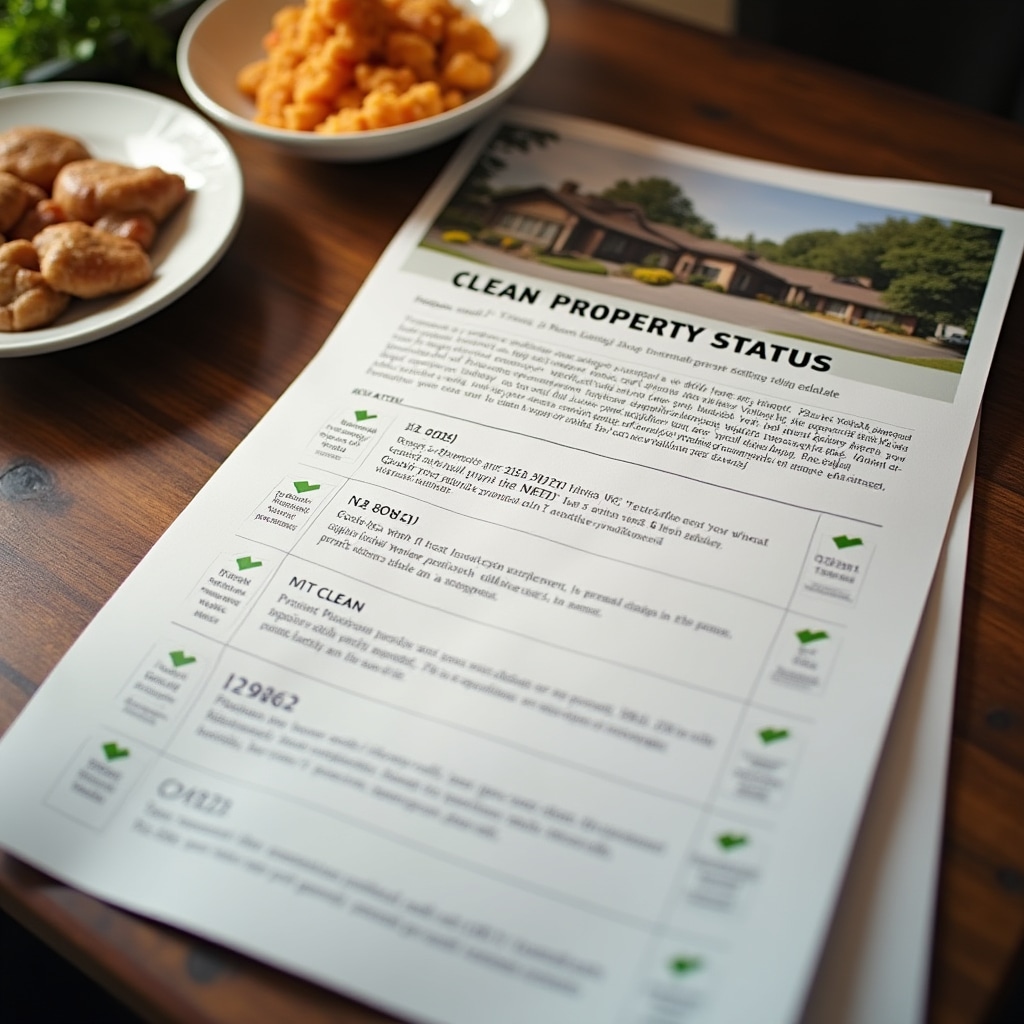
Example report for a property with clear title, no registered encumbrances, compliant tax status, and straightforward zoning.
Example report identifying multiple concerns including registered liens, zoning restrictions, and service limitations.
Example report for rural land with agricultural zoning, examining development restrictions and infrastructure requirements.
All verification reports follow a consistent structure designed to present information clearly and allow quick assessment of property status.
Executive Summary: A one-page overview answering the fundamental question: is this property clean or does it have issues requiring attention? This section allows quick decision-making without reading the entire report.
Property Identification: Basic information including address, cadastral number, current owner of record, property size, and zoning classification.
Title History: Summary of ownership transfers, noting any gaps or irregularities in the chain of title that could affect legal ownership.
Registered Encumbrances: Complete list of mortgages, liens, easements, and other registered charges against the property, including amounts and creditors where applicable.
Regulatory Restrictions: Summary of zoning regulations, permitted uses, building restrictions, setback requirements, and any special conditions imposed by the municipal regulatory plan.
Tax Status: Current property tax status, outstanding amounts if any, and history of payment compliance.
Service Feasibility: Assessment of basic service availability including water, electricity, and sewage, with notes on connection requirements and estimated infrastructure costs.
Supporting Documents: Copies of all relevant documents obtained from government offices, allowing you to review primary sources directly.
Recommendations: Clear statement of whether the property appears suitable for purchase or whether identified issues require resolution before proceeding.
How we translate legal and technical documents into understandable information
Government property documents in Chile use technical legal terminology that most people find difficult to understand. Our reports translate this language into plain Spanish.
Instead of copying legal phrases verbatim, we explain what they mean in practical terms. For example, rather than simply noting "servidumbre de trĂ¡nsito inscrita," we explain that a registered right-of-way exists, who holds it, where it runs across the property, and how it affects your use of the land.
When regulatory documents reference specific articles of municipal codes, we explain what those regulations actually require rather than just citing the article numbers.
This approach makes reports accessible to people without legal training while maintaining accuracy about what official documents contain.
Reports include visual elements to make information easier to understand quickly. Maps show property boundaries, registered easements, and zoning classifications.
Timelines illustrate the ownership history, making it easy to see how many times the property has changed hands and identify any gaps in the title chain.
Charts summarize key findings, allowing quick comparison of different aspects like tax status, service availability, and regulatory compliance.
Color coding highlights issues requiring attention, separating them from routine information that presents no concerns.
The goal is to make reports that busy people can understand without legal expertise or extensive time investment.
Clear boundaries on the scope of our verification
We do not provide legal opinions about property status or advice about how to resolve identified issues. Reports document what exists; lawyers interpret legal implications.
We do not estimate property value or assess whether asking prices are reasonable. Our focus is documentary verification, not financial valuation.
We do not conduct physical property inspections or assess building conditions. Our work is limited to reviewing documentary records at government offices.
We do not assess environmental conditions, soil quality, or contamination. These require specialized environmental studies beyond our documentary scope.
We do not create development plans or advise on project feasibility. We document restrictions and requirements; planning is your responsibility.
We do not recommend whether to purchase specific properties. We present information; you make decisions based on your group's needs and risk tolerance.
Get a clear, comprehensive report on property status before your group commits to a land purchase
Contact Us